Every time you open a bank account, make an online payment, or share your financial data with a platform, you are placing trust in an institution. But what exactly makes a financial institution worthy of that trust?

The answer comes down to a single, often underestimated concept: ethical conduct.
In financial services — and especially in payment institutions — ethics is not a soft ideal. It is a concrete operational standard that directly determines how your money is handled, how your data is protected, and how disputes are resolved when things go wrong.
This article explains what ethical conduct means in the context of financial institutions, why it matters more in Latin America than almost anywhere else, and how you can use it as a practical filter when choosing who to trust with your money.
Ethical conduct in finance means acting with integrity, honesty, transparency, and accountability in every professional decision — even when no one is watching.
It is not simply about following rules. Rules set a minimum threshold. Ethical conduct goes further: it means doing the right thing even when the rules leave room to do otherwise, and even when cutting corners would go undetected.
In a payment institution specifically, ethical conduct governs:
The distinction matters because consumers interact with the output of these decisions every day — in the fees they are charged, the information they are given, and the security of their transactions.
Not all industries face the same ethical stakes. In payment institutions, the consequences of ethical failure are immediate, concrete, and often irreversible.
You handle people's money directly. A bank or payment platform that misuses customer funds — even temporarily, even "technically within the rules" — causes real harm to real people.
You hold sensitive data. Financial institutions access tax IDs, account numbers, transaction histories, and biometric data. The ethical handling of this information is not optional — it is the foundation of the relationship.
You operate under public trust. Payment systems only function because millions of people simultaneously trust them. When that trust breaks — through fraud, misrepresentation, or institutional misconduct — the effects cascade across the entire ecosystem.
You are subject to regulatory oversight. In every LATAM market — from Brazil's BACEN to Mexico's CNBV to Colombia's SFC — payment institutions operate under licenses that carry explicit ethical and compliance obligations. Violating them carries consequences not just for the institution, but for every consumer it serves.
Understanding what ethical conduct looks like in practice helps you evaluate any financial institution you interact with. These are the six most important dimensions:
Privileged information — data about your accounts, transactions, or financial behavior — must never be used for purposes other than serving you. An ethical institution does not use your data to benefit third parties, generate unauthorized revenue, or make decisions that harm your interests.
What to look for: Clear, specific privacy policies that explain exactly how your data is used — not vague language that permits almost anything.
Ethical financial institutions treat every customer with equal respect, clarity, and fairness. There should be no undisclosed preferential treatment, hidden fees applied selectively, or services withheld without legitimate reason.
What to look for: Transparent fee schedules, equal access to products, and clear explanations of any decisions that affect your account.
Complying with BACEN regulations, LGPD requirements, anti-money laundering protocols, and other regulatory frameworks is not just a legal obligation — it is an ethical one. Cutting compliance corners to speed up processes or reduce costs directly increases the risk to consumers.
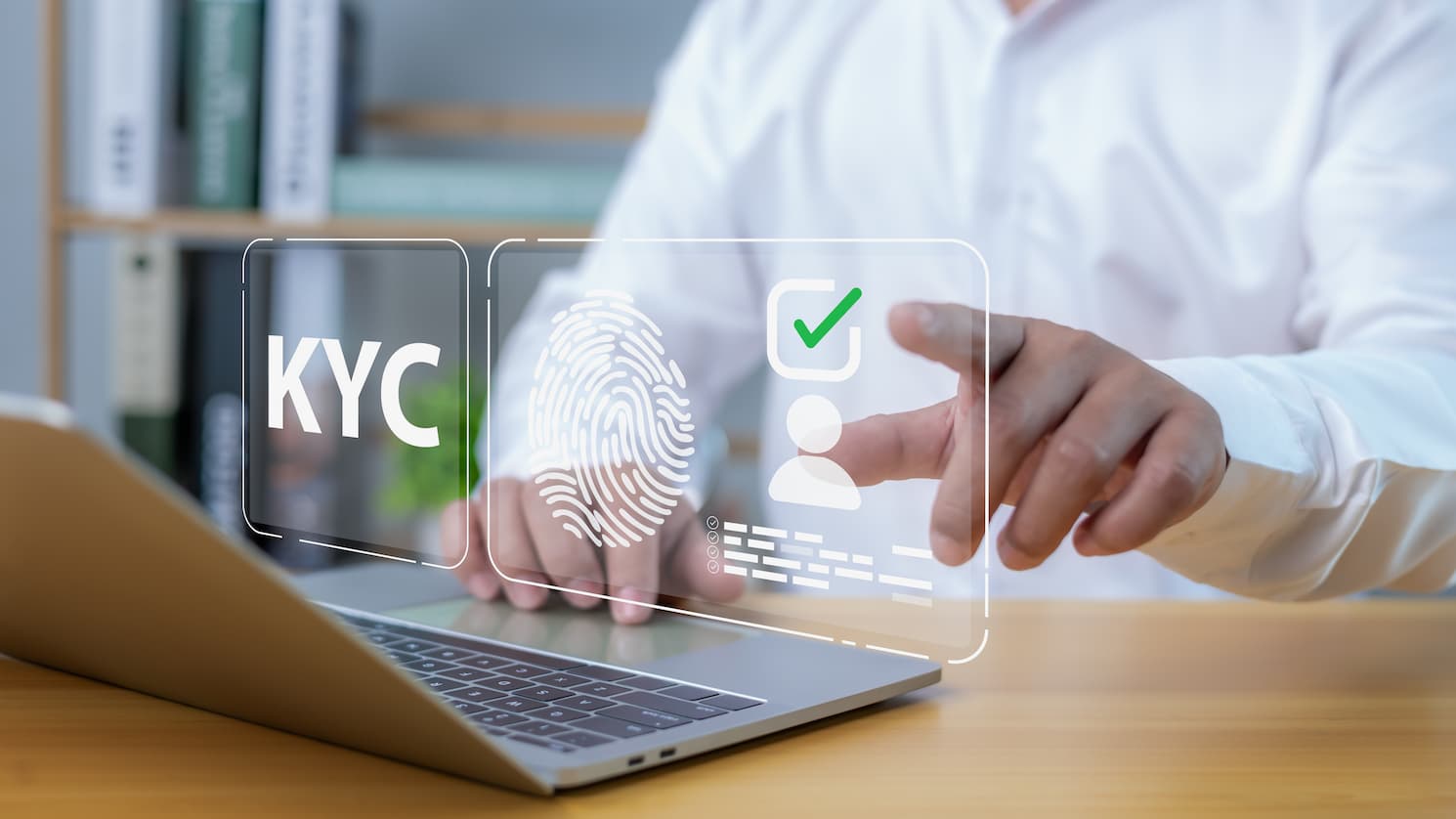
What to look for: Verifiable regulatory registration (check the regulator's public registry), clear compliance documentation, and transparent KYC processes.
Ethical institutions report problems promptly and honestly — to regulators, to partners, and to customers. They do not hide errors, minimize incidents, or use confusing language to obscure unfavorable information.
What to look for: How a company communicates when something goes wrong. Do they notify affected users proactively? Are outage communications timely and honest?
An ethical institution does not merely avoid participating in fraud — it actively builds systems and culture to detect and prevent it. This includes refusing to facilitate money laundering, blocking suspicious transaction patterns, and reporting irregularities to the appropriate authorities.
What to look for: Anti-fraud disclosures, KYC practices, transaction monitoring, and evidence of regulatory reporting.
This may seem internal, but it directly affects you as a consumer. Institutions with toxic internal cultures — where employees are pressured to cut corners, misrepresent products, or ignore compliance — produce worse outcomes for customers. The ethics of how a company treats its own people predicts how it will treat you.
What to look for: Publicly available codes of conduct, ethics hotlines, ESG reports, and employee reviews that reflect the company's stated values.
Ethical conduct is not a philosophical virtue — it is the operational mechanism through which consumer protection actually functions.
Consider what happens when each pillar fails:
Each failure has a consumer at the other end. Ethical conduct is simply the institutional commitment to not allowing these failures.
There is also a practical, self-interested argument for why financial institutions maintain ethical standards: it is the only sustainable business model.
An institution that misuses data, treats customers unfairly, or facilitates fraud may generate short-term gains. But the consequences — regulatory sanctions, reputational collapse, loss of licenses, civil liability — are devastating and often terminal.
Conversely, institutions that build genuine ethical cultures attract better talent, maintain regulatory goodwill, earn customer loyalty, and build the kind of trust that sustains long-term growth.
For consumers, this means that choosing ethically sound financial partners is not just morally preferable — it is financially safer. Institutions that take ethics seriously are more likely to be around when you need them, and less likely to surprise you with harmful behavior.
Use these questions as a practical checklist when evaluating any payment platform or financial service:
No single answer is definitive, but the pattern of responses tells you a great deal about how seriously an institution takes its ethical obligations.
Ethics in financial services is not abstract. It is the difference between a platform that protects your money and one that treats it as a resource to be exploited. It is the difference between an institution that tells you the truth and one that manages your perception.
In Latin America — where the digital payments ecosystem is expanding rapidly, where millions of consumers are transacting digitally for the first time, and where regulatory frameworks are still maturing — the ethical quality of the institutions you choose to trust has direct, material consequences for your financial wellbeing.
The standard is simple and demanding in equal measure: act with integrity, honesty, transparency, and accountability — even when no one is watching. That is what ethical conduct means. And it is exactly what every financial consumer in LATAM deserves.
OneKey Payments operates under a strict code of ethical conduct across all markets in Latin America, with full regulatory compliance, transparent customer communication, and documented anti-fraud and KYC processes.
Learn about OneKey's compliance standards → Compliance & Regulation

.jpeg)
.jpeg)










.jpg)
.jpg)


